
This article is going to be a real eye-opener, as we explore the complex relationship between Aemond Targaryen and Lucerys Velaryon in House of Dragons and why their relationship was severed by the sharp slice of a blade. Ever heard the term ‘festering wound’, I think that’s a perfect description for why this uncle and nephew are on less than amicable terms. Power in Westeros is measured by dragons, blood, and inheritance. Aemond Targaryen was in a position where all of these factors worked against him, and Lucerys Velaryon had advantages that highlighted every gap in Aemond’s standing. The conflict between them began in childhood, was reinforced by manipulation, escalated over dragons, and culminated in a confrontation that altered the Targaryen Dynasty forever. If you’d like to read more House of Dragons content, check out this article.

Aemond was teased severely by his brother Aegon and his cousins Jacaerys and Lucerys Velaryon (or Strong, depending on your persuasion) joined in on the mockery. Aemond was different from them because his dragon egg didn’t hatch in his cradle. This is especially significant because Aemond wanted very little as a child beyond acceptance by his peers, having friends, and having a dragon. They mocked him with a pig, the infamous “pink dread” to imitate a dragon, which intensified the sense of inferiority he experienced. These interactions were not minor; as they sparked a divide between Aemond and the others, nurturing the first seeds of resentment.

The resentment was reinforced by the spread of rumors about Rhaenyra’s children. Otto Hightower manipulated Alicent into believing that Rhaenyra intended to harm her children. Alicent then influenced her own sons, convincing them that Rhaenyra’s sons were bastards based on their hair and eye color and their resemblance to Ser Harwin Strong. This manipulation affected Aemond because he observed that he was being mocked not only by princes but also by children who were supposed to be considered inferior. Bastards could not, legally(?), claim the same status in Westeros as legitimate princes (though it happened quite a bit) . The situation created an additional layer of unfairness in Aemond’s mind. Jacaerys, Lucerys, and Joffrey were to him, illegitimate, and yet they had dragon eggs that hatched while he did not. The hatching and claiming of the dragons, proved their Targaryen bloodline. Aemond could reasonably see their success as proof of his own inferiority, which further increased his resentment.

When Laena Velaryon (née Targaryen, though does it matter when they’re all related) died in childbirth, Aemond saw an opportunity. She had been riding Vhagar, the largest living dragon at the time, which became riderless after her death. Aemond saw the chance to claim Vhagar and prove his worth as a Targaryen prince. Claiming a dragon was not improper or unusual. Laena had claimed Vhagar herself. Daemon Targaryen had claimed Caraxes. Rhaenys Targaryen had claimed Meleys, the Red Queen. King Viserys I had claimed Balerion the Black Dread before the dragon died of old age (RIP Balerion, oldies are always goldies). Great dragon riders historically claimed dragons under similar circumstances.

Despite the precedent, Aemond faced opposition. Laena’s daughters believed they should have had first claim to Vhagar, even though they had plenty of time to attempt to claim her while the others travelled to attend Laena’s funeral, perhaps they were waiting out of respect for their mother. Jacaerys and Lucerys sided with the daughters, even though they had known Aemond longer. A confrontation ensued, and Lucerys, defending his brother, raised a dagger and sliced out Aemond’s eye.

Aemond had to give up an eye to claim Vhagar. Although he later claimed it was worth it, he never truly got over it. The wound festered as shown by his attempt to force Luke to cut out his own eye, later at Storms End. Aemond had claimed Vhagar when he still had two eyes, proving he was worthy of the dragon. There was no price to pay, not test besides facing the largest dragon alive, and he has already succeeded at that. It was Lucerys who made him pay a price. Forming a debt between the two which boiled and boiled until it ran over above God’s Eye.

Through Lucerys’ actions, Aemond learned that he would never be enough. He was not enough without a dragon. He was not enough even after claiming the greatest dragon. Now he was not even whole because he had lost an eye. Meanwhile, Lucerys had advantages that made Aemond’s disadvantages more apparent. Lucerys had the love and support of his siblings, which Aemond lacked in villainous Aemond and far-off Helaena. Lucerys had a dragon egg that hatched, which Aemond did not.

Lucerys, a second son and an (alleged) bastard, was set to inherit Driftmark, one of the richest places in Westeros. Aemond had nothing to his name except his title and the dragon he had claimed at the cost of his eye. Lucerys mirrored everything Aemond wanted, a supportive family, a mother who cared, a bride with Targaryen and Velaryon blood, and a dragon that he paid no price for.

Even Aemond’s father chose not to punish Lucerys for the loss of his eye. An eye for an eye might seem gruesome, but there was not even a reprimand. No slap on the wrist, no scolding, no “Luke maiming is bad.” Rather, it was Aemond who received a tongue-lashing for calling Rhaenyra’s sons bastards, which highlighted the imbalance in accountability. The resentment and hate were therefore inevitable. This context explains why Aemond’s later actions, including his attempt to take Lucerys’ eye at Storm’s End, were consistent with the grudges formed over decades. It also clarifies why Aemond, at least from this perspective, may have wanted Vhagar to ‘gobble’Arrax.

The childhood teasing, the manipulation of legitimacy rumors, the conflict over Vhagar, and the resulting injury established a cycle of rivalry and hatred that festered in Aemond. Every factor reinforced the other. Social mocking amplified by political rumors, inequality in dragon hatching, unequal inheritance, and family support that Aemond never received.
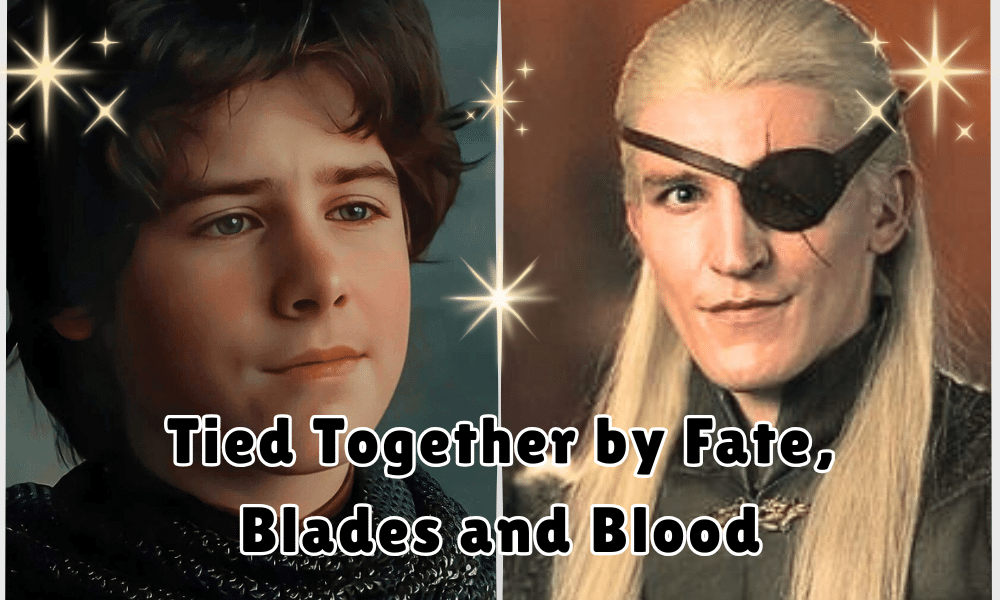
Aemond Targaryen and Lucerys Velaryon’s hatred was the product of precise circumstances. It was built on childhood resentment, manipulation by Otto Hightower and Alicent, a costly dragon claim, an eye (one must not forget the eye) and the stark contrast between Aemond’s deficits and Lucerys’ advantages. Their rivalry followed a clear logic rooted in the culture, politics, and social hierarchy of Westeros. It was, in a sense, inevitable, and the consequences, including the death of Arrax and Luke, were the direct outcome of these intertwined factors.
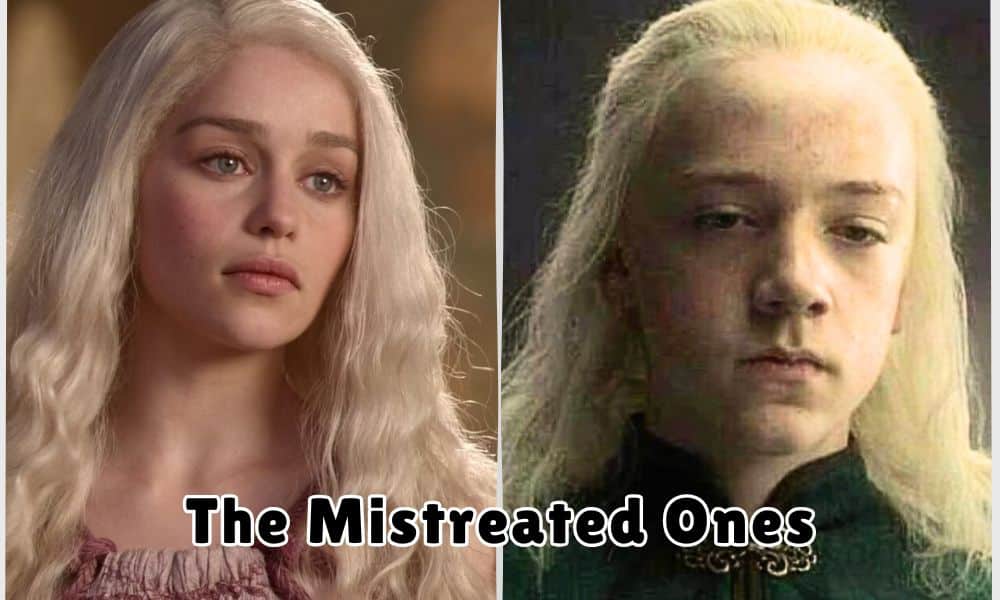
If you completely disagree with this take or simply need a place to vent about how much you love or hate these characters, drop a comment below. If you’d like to explore Aemond’s character a bit more, why not see how he compares against the mother of dragons.



Leave a Reply